- Monday - Saturday 08:00-18:00
- +91 97004 28610
- +91 8143621111

Why Construction Quality Checks Are Essential for Every Homeowner
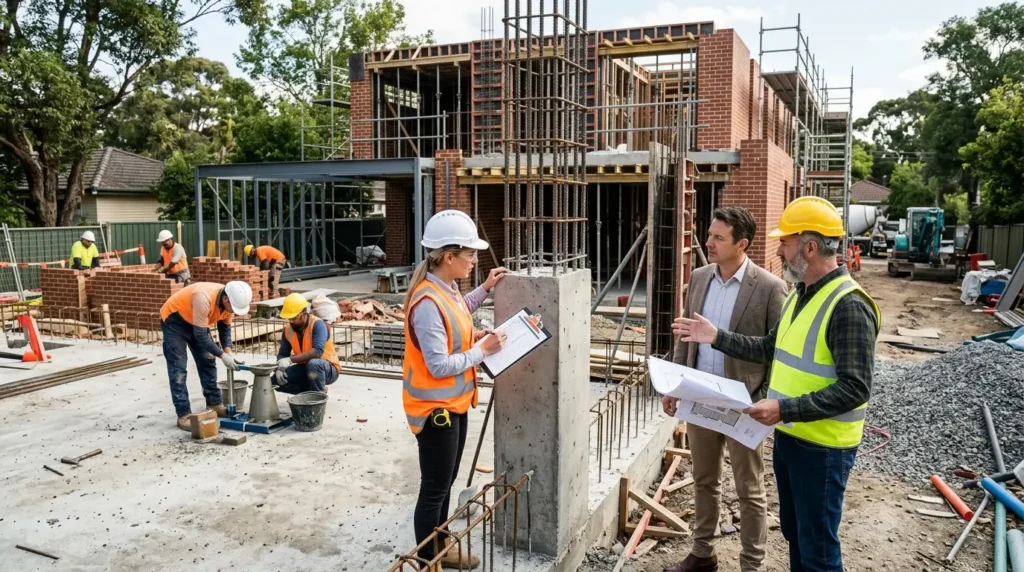
Building a home is one of the most significant investments a person can make. Every homeowner dreams of creating a safe, durable, and beautiful living space that will serve their family for decades. However, achieving that goal requires more than selecting a good design or purchasing quality materials. It requires consistent Construction Quality Checks throughout every stage of the building process.
Many construction issues do not become visible immediately. Problems such as structural cracks, water leakage, poor electrical installations, and weak masonry often develop months or even years after project completion. These issues are usually the result of inadequate supervision, poor workmanship, or insufficient quality control during construction.
This is why professional builders and experienced engineers emphasize the importance of regular Construction Quality Checks. These inspections help identify potential problems before they become costly repairs. They also ensure that the construction process follows engineering standards, safety regulations, and approved project specifications.
When homeowners actively demand and monitor quality inspections, they gain confidence that their investment is protected. More importantly, they ensure that their home is built to withstand daily use, environmental conditions, and the test of time.
Foundation Work Must Be Examined Carefully
The foundation is the most critical component of any building. It carries the weight of the entire structure and transfers it safely to the ground. Any weakness in the foundation can affect the overall stability of the house and lead to serious structural concerns in the future.
Proper inspections should begin before foundation construction starts. Soil conditions, excavation depth, reinforcement placement, and concrete quality should all be reviewed carefully. Even a small mistake during foundation work can create major issues later.
Professional builders understand that strong foundations are essential for long-term durability. Therefore, homeowners should always request inspections before and after concrete placement to ensure compliance with approved structural plans.
Important Foundation Verification Points
- Check excavation depth according to engineering drawings.
- Verify reinforcement placement before concrete pouring.
- Confirm concrete quality and curing procedures.
- Ensure foundation dimensions match approved designs.
Building Materials Should Meet Approved Standards
The quality of Construction Quality Checks materials directly affects the strength and lifespan of a home. Even the most skilled workers cannot produce a durable structure if substandard materials are used during construction.
Materials such as cement, steel, bricks, aggregates, sand, and finishing products should be inspected before they are used on-site. Homeowners should also ensure that materials come from reliable suppliers and comply with industry standards.
Consistent material inspections are among the most valuable Construction Quality Checks because they prevent quality compromises at the source.
Essential Material Inspection Areas
- Verify cement freshness and storage conditions.
- Inspect steel for rust and specification compliance.
- Check brick quality and uniform dimensions.
- Confirm supplier certifications and approvals.
Structural Reinforcement Requires Detailed Inspection
Reinforcement steel provides strength to beams, columns, slabs, and foundations. Incorrect reinforcement placement can significantly reduce structural performance and increase safety risks.
Before concrete is poured, engineers should inspect reinforcement arrangements to ensure compliance with structural drawings. Proper spacing, overlaps, anchorage lengths, and concrete cover must be maintained throughout the structure.
These inspections play a vital role in maintaining structural integrity and ensuring the building performs as intended.
Reinforcement Quality Control Measures
- Verify spacing between reinforcement bars.
- Check overlap and anchorage lengths.
- Confirm adequate concrete cover protection.
- Ensure reinforcement follows structural drawings.
Concrete Placement Must Follow Engineering Practices
Concrete serves as the backbone of most residential structures. Its strength and durability depend heavily on proper mixing, placement, compaction, and curing practices.
Poor concrete workmanship can lead to cracks, reduced load-bearing capacity, and long-term maintenance problems. This makes concrete inspection one of the most important stages in residential construction.
Every homeowner should ensure that concrete work is continuously monitored by qualified professionals throughout the construction process.
Concrete Monitoring Essentials
- Review approved mix proportions.
- Ensure proper vibration during placement.
- Monitor curing procedures after pouring.
- Verify concrete strength requirements.
Wall Construction Should Be Checked For Accuracy
Wall Construction affects both structural performance and visual appearance. Poor masonry work often leads to uneven walls, visible cracks, and finishing challenges that can impact the overall quality of the home.
Proper supervision helps ensure that walls remain straight, level, and aligned with approved plans. Quality masonry also improves durability and reduces maintenance requirements over time.
Regular inspections during wall construction allow issues to be corrected before they affect subsequent stages of the project.
Masonry Evaluation Criteria
- Check wall alignment and verticality.
- Inspect joint consistency and workmanship.
- Verify dimensions according to drawings.
- Monitor mortar quality and application.
Waterproofing Systems Need Thorough Assessment
Water damage remains one of the most common causes of building deterioration. Without proper waterproofing, moisture can penetrate walls, roofs, bathrooms, and terraces, leading to structural damage and expensive repairs.
Effective waterproofing protects the building from leakage, mold growth, and material deterioration. Therefore, waterproofing inspections should never be overlooked during construction.
Homeowners should insist on testing procedures before approving waterproofed areas.
Waterproofing Quality Requirements
- Inspect surface preparation before application.
- Verify complete membrane coverage.
- Conduct water retention testing.
- Check drainage performance effectiveness.
Electrical Installations Must Prioritize Safety
Electrical systems are essential for modern living, but poor installation practices can create significant safety hazards. Faulty wiring, improper connections, and inadequate protection systems increase the risk of electrical failures and accidents.
Comprehensive inspections help ensure that electrical work meets approved safety standards and performs reliably after project completion.
Professional electrical verification should be conducted before walls are closed and again before final handover.
Electrical Safety Inspection Areas
- Verify cable quality and specifications.
- Check distribution board installation.
- Inspect grounding and protection systems.
- Test circuits for proper functionality.
Plumbing Networks Should Be Tested Before Completion
A reliable plumbing system ensures efficient water supply and wastewater removal throughout the home. Poor plumbing installation can lead to leaks, water damage, and expensive maintenance issues after occupancy.
Pressure testing and drainage inspections help identify hidden defects before finishing work begins. This prevents costly rework and improves overall building performance.
Proper plumbing inspections are essential for maintaining long-term comfort and functionality.
Plumbing Verification Procedures
- Conduct pressure testing for water lines.
- Inspect pipe connections and fittings.
- Verify drainage slope requirements.
- Check wastewater flow performance.
Finishing Quality Reflects Overall Workmanship
The finishing stage significantly influences homeowner satisfaction because it directly affects the appearance of the completed home. Defects in plastering, painting, flooring, and tiling are often the most noticeable construction issues.
Detailed inspections help ensure a professional finish and reduce the likelihood of future corrections.
Quality finishing work also enhances property value and creates a positive impression of the overall construction project.
Finishing Inspection Checklist
- Check plaster smoothness and consistency.
- Verify flooring alignment and levelness.
- Inspect paint coverage and finish quality.
- Review tile placement and joint accuracy.
Final Project Review Protects Your Investment
Before accepting project completion, homeowners should conduct a comprehensive review of the entire property. This final inspection helps verify that all Construction Quality Checks activities meet quality expectations and approved standards.
Before accepting project completion, homeowners should conduct a comprehensive review of the entire property. This final inspection helps verify that all Construction Quality Checks activities meet quality expectations and approved standards.
A thorough final review ensures that outstanding issues are identified and corrected before handover.
Final Verification Steps
- Review all completed construction activities.
- Prepare a list of pending corrections.
- Verify compliance with approved plans.
- Confirm overall project quality standards.
Conclusion
Consistent Construction Quality Checks are essential for building a safe, durable, and high-performing home. They help identify issues early, improve workmanship standards, and ensure compliance with engineering requirements throughout the construction process.
From foundation inspections and material verification to waterproofing assessments and final project reviews, every stage requires careful attention. Homeowners who prioritize Construction Quality Checks are more likely to enjoy a structurally sound home, lower maintenance costs, and greater long-term value from their investment.
Investing time in quality control today can prevent major construction problems tomorrow, making Construction Quality Checks one of the smartest decisions any homeowner can make.
FAQs
Construction Quality Checks help identify issues early, ensuring better safety, durability, and long-term performance of a building.
They should be conducted throughout the project, from foundation work and material inspection to finishing and final handover.
They typically include foundation quality, materials, reinforcement, concrete work, plumbing, electrical systems, waterproofing, and finishing.
Yes. Regular inspections help detect defects early, preventing costly repairs and maintenance problems later.
Qualified engineers, construction consultants, and experienced project supervisors should perform professional quality inspections.