- Monday - Saturday 08:00-18:00
- +91 97004 28610
- +91 8143621111

Proven Strategies That Help Property Owners Maintain Financial Control Throughout Residential Development
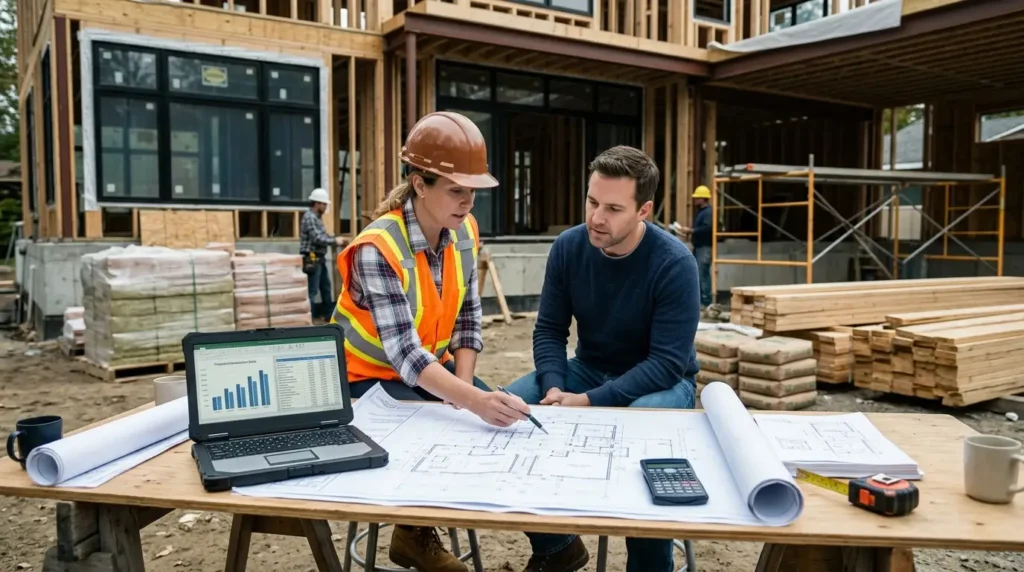
Why Financial Preparation Matters Before Construction Starts
Most homeowners underestimate the importance of planning before construction begins. They usually focus on visible expenses such as cement, steel, bricks, and labor while ignoring many indirect costs that appear later. Effective Construction Budget Planning starts long before excavation work begins. A realistic financial plan should include approvals, site preparation, utility connections, material transportation, labor management, and finishing expenses.
Without a detailed budget, homeowners often face cash flow issues midway through the project. These situations lead to delays, compromises in quality, and unnecessary financial pressure. A well-prepared budget provides a clear understanding of expected costs and allows better control over spending throughout the construction process.
Developing Accurate Cost Estimates For Better Decision Making
One of the most common reasons construction budgets fail is inaccurate estimation. Many projects begin with rough assumptions rather than detailed calculations. Successful Construction Budget Planning requires homeowners to understand every expense associated with the project.
A complete estimate should cover structural work, masonry, roofing, electrical systems, plumbing installations, waterproofing, painting, flooring, and exterior development. When estimates are prepared properly, homeowners gain greater visibility into project costs and can make informed decisions before work begins. Accurate budgeting also helps prevent financial surprises during construction.
Choosing Quality Materials Without Overspending
Material selection plays a major role in determining both construction quality and overall project cost. Many homeowners attempt to reduce expenses by selecting the cheapest materials available. While this may lower initial spending, it often increases maintenance and repair costs later.
Smart Construction Budget Planning focuses on balancing quality and affordability. Durable materials provide better long-term performance and often reduce maintenance requirements. Instead of focusing solely on purchase price, homeowners should consider durability, performance, and lifecycle value when selecting construction materials.
Managing Contractor Agreements To Avoid Unexpected Charges
A poorly written contractor agreement can create significant financial problems during construction. Misunderstandings about scope, timelines, and payment schedules often lead to disputes and additional expenses.
Effective Construction Budget Planning includes reviewing all contracts carefully before construction begins. Every responsibility, deliverable, and payment milestone should be documented clearly. Transparent agreements help reduce confusion and create accountability throughout the project. When expectations are clearly defined, homeowners can avoid many unnecessary expenses and delays.
Preventing Expensive Changes During Project Execution
Design modifications during construction are among the biggest causes of budget overruns. Homeowners frequently decide to alter layouts, relocate walls, add rooms, or change utility placements after work has already started. Although these changes may seem minor, they often affect multiple construction activities simultaneously.
Proper Construction Budget Planning involves finalizing design decisions before construction begins. The fewer modifications made during execution, the easier it becomes to maintain cost control. Careful planning helps homeowners avoid rework, material wastage, and unnecessary labor expenses.
Monitoring Resource Usage Throughout Construction
Material waste is one of the most overlooked factors affecting construction budgets. Poor storage practices, inaccurate measurements, theft, and handling mistakes can significantly increase project costs. Even small losses become substantial when calculated across the entire project.
Strong Construction Budget Planning requires continuous monitoring of resource consumption. Homeowners and project managers should track material deliveries, verify inventory levels, and monitor usage regularly. Effective resource management helps reduce waste and ensures that materials are used efficiently throughout construction.
Building Emergency Funds For Unexpected Situations
Every construction project faces uncertainties. Weather conditions, market fluctuations, labor shortages, and unforeseen site issues can all increase expenses unexpectedly. Homeowners who fail to prepare for these situations often struggle when challenges arise.
Professional builders recommend including a contingency reserve as part of Construction Budget Planning. This emergency fund provides financial flexibility and helps maintain project progress when unexpected expenses occur. A contingency budget reduces stress and allows homeowners to address challenges without disrupting construction activities.
Conducting Regular Budget Reviews During Construction
Many homeowners create a budget before construction begins but rarely review it afterward. This approach makes it difficult to identify financial issues until they become serious problems. Regular budget reviews provide valuable insights into spending patterns and project performance.
Consistent Construction Budget Planning involves comparing actual expenses against planned estimates throughout the project. Regular financial reviews help identify cost overruns early and allow corrective action before budgets become unmanageable. This process improves financial control and supports better decision-making.
Prioritizing Essential Work Before Luxury Features
One of the most effective ways to maintain budget control is prioritizing essential construction activities before spending on upgrades and luxury additions. Structural integrity, waterproofing, electrical systems, plumbing infrastructure, and safety requirements should always take precedence.
Effective Construction Budget Planning helps homeowners distinguish between necessities and optional improvements. Completing critical work first ensures the home remains safe, functional, and durable even if budget adjustments become necessary later in the project.
Working With Experienced Construction Professionals
Professional guidance often saves homeowners more money than it costs. Experienced architects, engineers, and project consultants understand common construction risks and can help prevent costly mistakes. Their expertise improves planning accuracy, resource allocation, and project management.
Strong Construction Budget Planning benefits significantly from professional support. Experts provide realistic cost estimates, identify potential risks, and recommend practical solutions that improve financial efficiency. Their involvement often leads to smoother project execution and better long-term results.
Conclusion
Successful construction projects are built on careful financial planning as much as quality workmanship. Effective Construction Budget Planning helps homeowners manage expenses, reduce financial stress, and maintain control throughout the entire building process. By focusing on realistic estimates, smart material selection, contract management, resource monitoring, and contingency planning, homeowners can significantly improve their chances of completing projects on time and within budget.
A well-managed budget is not simply a financial document. It is a strategic tool that guides decisions, protects investments, and supports successful project outcomes from start to finish.
FAQs
Construction Budget Planning is the process of estimating, managing, and controlling construction expenses to avoid overspending.
Budgets often increase due to design changes, material price fluctuations, labor delays, and unexpected site expenses.
Most experts recommend keeping 10% to 20% of the total project cost as a contingency reserve.
Yes. Effective Construction Budget Planning helps minimize waste, prevent delays, and avoid unnecessary expenses.
It should begin before construction starts and continue throughout every stage of the project.