- Monday - Saturday 08:00-18:00
- +91 97004 28610
- +91 8143621111

Essential Building Decisions That Influence Long Term Real Estate Worth And Future Market Appeal
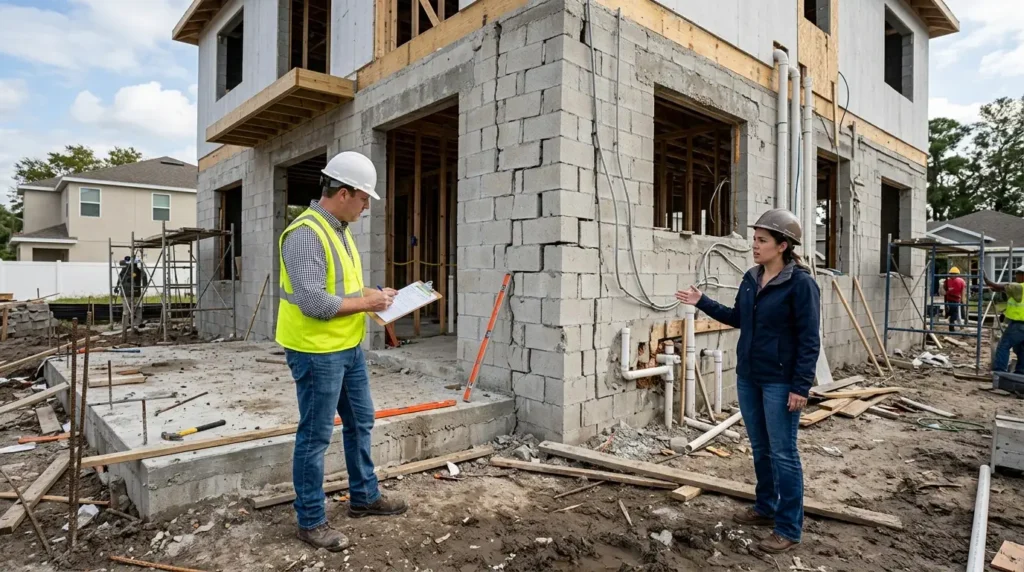
Understanding Why Early Decisions Shape Future Investment Returns
Every homeowner wants their house to become a valuable long-term asset. However, many people focus only on completing construction and ignore decisions that affect future market performance. The reality is that certain construction choices can significantly impact Property Value in Construction for years after project completion.
A home may look attractive when it is newly built, but poor planning, low-quality execution, and short-term cost-cutting can reduce its appeal to future buyers. Property appreciation depends not only on location but also on construction quality, functionality, durability, and maintenance requirements. Understanding these factors during the planning stage helps homeowners make smarter decisions that support long-term value.
Ignoring Structural Quality Creates Expensive Future Problems
Structural quality remains one of the most important factors influencing Property Value in Construction. A strong structure provides safety, durability, and confidence to future buyers. On the other hand, structural deficiencies often result in costly repairs and reduced market demand.
Many homeowners focus heavily on visible finishes while overlooking the importance of engineering quality. Poor reinforcement practices, inadequate foundation work, and substandard concrete can create problems that become visible only after several years. Once structural concerns appear, property value often declines because buyers become hesitant to invest in a building that may require significant repairs.
Investing in proper structural design and quality construction practices helps maintain long-term property appreciation while reducing future maintenance risks.
Poor Space Utilization Reduces Functional Appeal
A well-designed home is not necessarily a large home. Buyers often evaluate how effectively available space has been utilized rather than simply considering total square footage. Inefficient layouts can negatively affect Property Value in Construction even when construction quality is otherwise acceptable.
Poor room positioning, narrow circulation areas, insufficient storage space, and awkward layouts can make daily living less comfortable. Future buyers often prioritize functionality and convenience when evaluating residential properties. Homes that provide practical living arrangements typically maintain stronger market demand and better resale potential.
Thoughtful planning ensures that every area serves a useful purpose while improving overall usability and comfort.
Low Quality Materials Increase Long Term Ownership Costs
Material selection directly influences durability, appearance, and maintenance requirements. Choosing low-cost materials may reduce initial expenses, but it often increases ownership costs over time. This relationship plays a significant role in determining Property Value in Construction.
Frequent repairs, replacements, and maintenance issues create negative perceptions among potential buyers. Properties built with durable materials generally retain their appearance and performance for longer periods, making them more attractive in the real estate market.
Homeowners who prioritize quality materials often benefit from reduced maintenance expenses and stronger long-term investment returns.
Inadequate Waterproofing Leads To Property Deterioration
Water damage remains one of the most common causes of building deterioration. Poor waterproofing can affect structural components, interior finishes, and overall building performance. These issues can significantly reduce Property Value in Construction if they are not addressed properly.
Leaks, moisture intrusion, mold growth, and surface damage create concerns for both current occupants and future buyers. Once water-related problems become visible, repair costs can increase rapidly. Preventive waterproofing measures provide long-term protection and help preserve building quality.
Proper waterproofing systems contribute to durability, comfort, and market confidence while supporting long-term property appreciation.
Neglecting Energy Efficiency Impacts Market Demand
Modern buyers increasingly consider operating costs when purchasing residential properties. Energy-efficient homes often attract greater interest because they reduce utility expenses and improve overall comfort. This trend makes energy performance an important component of Property Value in Construction.
Poor insulation, inefficient lighting systems, inadequate ventilation, and outdated equipment can increase monthly expenses significantly. As energy costs continue to rise, buyers place greater emphasis on efficiency-related features.
Incorporating energy-conscious design principles during construction can improve market competitiveness and support stronger resale opportunities in the future.
Insufficient Electrical Planning Creates Future Limitations
Technology plays an increasingly important role in residential living. Homes that lack adequate electrical planning may struggle to accommodate future requirements, reducing their attractiveness to buyers.
Well-planned electrical systems support modern appliances, smart technologies, home offices, entertainment systems, and future upgrades. Proper electrical infrastructure contributes positively to Property Value in Construction by ensuring flexibility and convenience.
Forward-thinking planning allows homeowners to adapt their properties more easily as technology continues to evolve.
Overlooking Exterior Appearance Affects Buyer Perception
First impressions strongly influence purchasing decisions. Exterior appearance often shapes a buyer’s opinion before they even enter the property. Because of this, curb appeal plays a critical role in Property Value in Construction.
Poor landscaping, unattractive elevations, inadequate lighting, and neglected exterior finishes can reduce perceived value. Attractive exteriors create positive emotional responses and increase market appeal.
A balanced approach to architectural aesthetics, site development, and exterior maintenance helps strengthen property desirability and long-term appreciation.
Lack Of Proper Ventilation Reduces Living Comfort
Comfort remains a major consideration for homeowners and prospective buyers. Poor ventilation can lead to indoor air quality issues, excessive humidity, and uncomfortable living conditions. These factors influence Property Value in Construction more than many homeowners realize.
Natural airflow improves comfort while reducing dependence on mechanical cooling systems. Well-ventilated spaces generally feel healthier, brighter, and more inviting. Buyers often recognize these benefits during property evaluations.
Incorporating ventilation strategies during design and construction enhances occupant satisfaction and supports future resale potential.
Delayed Maintenance Accelerates Asset Depreciation
Even well-constructed homes require regular maintenance. Neglecting maintenance activities allows small issues to develop into larger and more expensive problems. This process can gradually reduce Property Value in Construction over time.
Cracked surfaces, damaged finishes, plumbing leaks, roofing issues, and aging systems all contribute to declining property conditions. Consistent maintenance preserves building performance while maintaining visual appeal.
Homeowners who invest in routine upkeep often experience stronger property appreciation and better long-term returns on their investment.
Professional Oversight Improves Long Term Performance
Construction projects benefit significantly from professional supervision. Architects, engineers, and project consultants help ensure that work meets established standards and follows approved plans. Their involvement contributes directly to Property Value in Construction by improving quality and reducing errors.
Professional oversight supports better decision-making throughout the project lifecycle. It helps identify potential issues early, improve construction efficiency, and maintain consistent quality standards. Properties developed under proper supervision often demonstrate stronger long-term performance and market appeal.
Conclusion
A home’s future worth depends on far more than its location or size. Construction quality, design efficiency, material selection, waterproofing, energy performance, ventilation, maintenance practices, and professional supervision all influence Property Value in Construction over time.
Homeowners who make informed decisions during the planning and construction phases position themselves for stronger long-term returns. By avoiding common mistakes and focusing on quality, functionality, and durability, they can create properties that remain attractive, valuable, and competitive for many years to come.
FAQs
Construction quality, design, materials, location, and maintenance all influence property value.
Yes. Structural issues, water leakage, and poor workmanship can lower resale value significantly.
Quality materials improve durability, reduce maintenance costs, and help maintain property value.
Yes. Energy-efficient homes are more attractive to buyers and can improve market demand.
By focusing on quality construction, proper maintenance, good design planning, and professional supervision.